The Complete Guide to Lapidary: Transforming Raw Stones into Stunning Gemstones
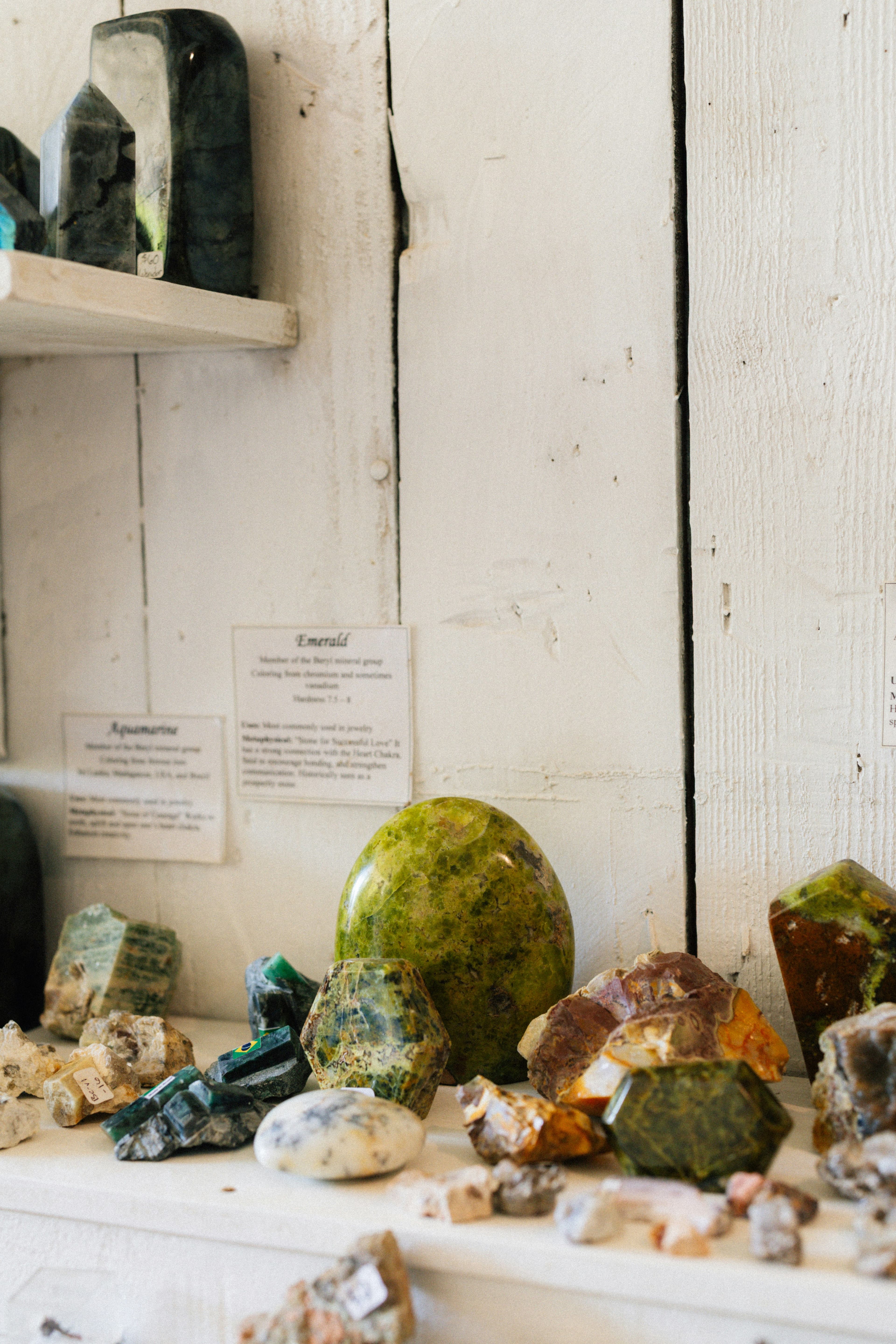
Lapidary is the ancient and intricate art of cutting, shaping, and polishing stones and gemstones to transform rough, unrefined materials into beautiful, valuable pieces. Whether you're a hobbyist rockhound, an aspiring jewelry maker, or simply fascinated by the world of gemstones, understanding lapidary techniques can open up a universe of creative possibilities.
In this comprehensive guide, we'll explore everything you need to know about lapidary—from its rich history and essential techniques to the tools required and trending gemstone cuts in 2026.
## What is Lapidary?
Lapidary refers to the practice of working with stones, minerals, and gemstones to create decorative objects such as cabochons, carved stones, or faceted gems. The term comes from the Latin word "lapidarius," meaning "stonecutter."
A person who practices lapidary is called a lapidarist or lapidary artist. These skilled artisans use specialized equipment and techniques to:
- Cut rough stones into manageable pieces
- Shape stones into desired forms
- Grind and smooth surfaces
- Polish stones to a brilliant finish
The art of lapidary plays a crucial role in the jewelry industry, as it determines the final beauty of a gemstone by affecting its luster, color presentation, and how light interacts with it.
## History of Lapidary Art
Lapidary work dates back thousands of years. Ancient civilizations including the Egyptians, Greeks, Romans, and Chinese practiced stone cutting and carving for both decorative and ceremonial purposes.
Early lapidarists used simple tools like sand, water, and primitive grinding wheels. Over centuries, the craft evolved with technological advancements, leading to the precision equipment we use today.
## Essential Lapidary Techniques
Modern lapidary encompasses several specialized techniques, each producing distinct results:
### 1. Tumbling
Tumbling is the most beginner-friendly lapidary technique. It involves placing rough stones in a rotating barrel with water and progressively finer abrasive grits.
**Process:**
- Coarse grinding (1-2 weeks)
- Medium grinding (1 week)
- Fine grinding (1 week)
- Polishing (1 week)
**Best for:** River rocks, agates, jaspers, and other durable stones
### 2. Cabochon Cutting
Cabochon cutting produces smooth, dome-shaped stones with a flat back—ideal for rings, pendants, and earrings.
**Process:**
- Slab the rough stone
- Mark and cut the desired shape
- Grind to form the dome
- Sand with progressively finer grits
- Polish to a mirror finish
**Best for:** Opaque or translucent stones like turquoise, opal, moonstone, and tiger's eye
### 3. Faceting
Faceting is the most advanced lapidary technique, creating multiple flat surfaces (facets) on a gemstone to maximize light reflection and brilliance.
**Process:**
- Select high-quality transparent rough
- Cut the stone into a preform
- Mount on a dop stick
- Cut pavilion facets at precise angles
- Cut crown facets
- Polish all facets
**Best for:** Transparent gemstones like quartz, topaz, sapphire, and diamond
### 4. Stone Carving
Stone carving involves creating three-dimensional designs or relief sculptures in stone using rotary tools, diamond burrs, and files.
**Best for:** Softer stones like serpentine, soapstone, and alabaster
## Trending Gemstone Cuts and Shapes for 2026
According to recent industry insights, several gemstone cuts are experiencing renewed popularity:
**Round Cut** - The timeless classic that maximizes brilliance
**Pear Shape** - An elegant teardrop silhouette making a strong comeback
**Marquise Cut** - Vintage-inspired with dramatic elongation
**Step Cuts (Emerald & Baguette)** - Geometric sophistication for modern minimalists
**East-West Settings** - Traditional cuts mounted horizontally for contemporary appeal
**Asymmetrical Designs** - Artistic arrangements reflecting individuality
These trends reflect a broader movement toward personalized, distinctive jewelry that tells a story.
## Essential Lapidary Equipment
To begin your lapidary journey, you'll need:
**Basic Equipment:**
- Rock tumbler (for beginners)
- Safety glasses and dust mask
- Work gloves
**Intermediate Equipment:**
- Trim saw or slab saw
- Cabochon grinding machine
- Diamond grinding wheels (coarse to fine)
- Polishing compounds
- Dop sticks and wax
**Advanced Equipment:**
- Faceting machine
- Digital angle gauge
- High-precision dops
- Master lap for polishing
## Getting Started with Lapidary
If you're new to lapidary, follow these steps:
1. **Start with tumbling** - It's affordable, requires minimal skill, and produces beautiful results
2. **Learn about gemstone properties** - Understand Mohs hardness scale and stone characteristics
3. **Practice safety** - Always wear protective equipment and work in well-ventilated areas
4. **Join lapidary clubs** - Connect with experienced artisans who can mentor you
5. **Invest gradually** - Build your equipment collection as your skills develop
6. **Source quality rough** - Start with affordable materials like agate and jasper
## The Business of Lapidary
Lapidary skills can evolve into a profitable venture:
- **Custom jewelry making** - Create one-of-a-kind pieces
- **Selling finished gemstones** - Supply to jewelers and collectors
- **Teaching workshops** - Share your expertise
- **Online marketplaces** - Reach global customers through Etsy, Instagram, or your own website
The growing demand for artisanal, handcrafted jewelry presents excellent opportunities for skilled lapidarists.
## Conclusion
Lapidary is a rewarding craft that combines artistic vision, technical precision, and patience. Whether you're transforming rough river rocks into polished treasures or cutting precision facets into rare gemstones, each piece you create tells a unique story.
The journey from raw stone to stunning gemstone is both challenging and deeply satisfying. With practice, proper equipment, and dedication, you can master this ancient art and create breathtaking pieces that showcase the natural beauty hidden within Earth's minerals.
Ready to start your lapidary adventure? Begin with a simple rock tumbler, gather some rough stones from your local area, and discover the magic of transformation that awaits in every piece of raw material.