The Complete Guide to Lapidary: Transform Rough Stones into Stunning Gemstones
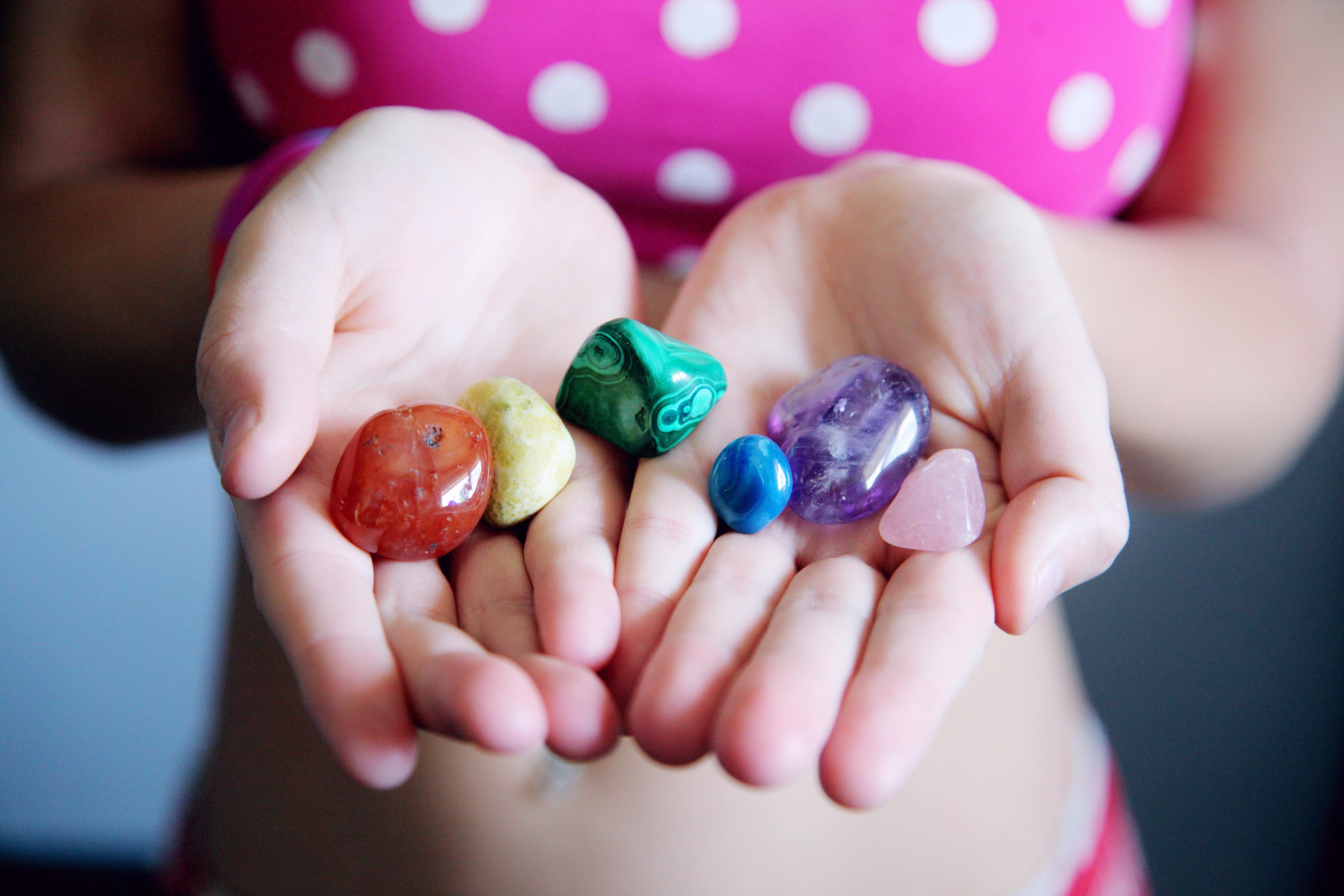
Lapidary is the ancient and captivating art of cutting, shaping, and polishing stones and gemstones into beautiful works of art. Whether you're a hobbyist looking to start a new creative journey or a jewelry designer seeking to enhance your skills, understanding lapidary techniques can open up a world of possibilities.
What is Lapidary?
Lapidary, derived from the Latin word "lapidarius" meaning "stonecutter," is the craft of working with stones and minerals to transform rough materials into polished gemstones, cabochons, beads, and decorative objects. This time-honored practice combines technical skill with artistic vision to reveal the natural beauty hidden within raw stones.
Essential Lapidary Equipment for Beginners
Starting your lapidary journey requires some basic equipment. A trim saw helps you cut rough stones into manageable pieces, while a grinding wheel shapes your stones to the desired form. A sanding station smooths rough edges, and a polishing wheel brings out the final luster. For beginners, an all-in-one combination unit can be a cost-effective solution.
The Lapidary Process: From Rough to Polished
The transformation of a rough stone into a beautiful gemstone involves several key steps. First, you'll examine your rough material to identify the best cutting direction and plan your design. Next comes the cutting phase, where you slice the stone using a diamond blade saw. The grinding stage shapes your stone using progressively finer grits, followed by sanding to remove scratches. Finally, polishing brings out the stone's natural brilliance and color.
Popular Stones for Lapidary Work
Beginners often start with harder stones like agate, jasper, and quartz, which are durable and relatively easy to work with. As you gain experience, you can progress to softer materials like turquoise and opal, or challenge yourself with precious stones like sapphire and ruby. Each stone type has unique characteristics that affect how it should be cut and polished.
Cabochon Cutting: A Fundamental Technique
Cabochon cutting is one of the most popular lapidary techniques, creating smooth, domed stones without facets. This method works beautifully for opaque and translucent stones, highlighting features like chatoyancy, asterism, and color patterns. The rounded shape also provides durability, making cabochons ideal for jewelry.
Faceting: The Art of Precision
Faceting involves cutting flat, polished surfaces at precise angles to maximize a gemstone's brilliance and fire. This advanced technique requires specialized equipment and considerable skill, but the results are stunning. Faceted stones catch and reflect light in mesmerizing ways, making them highly prized for fine jewelry.
Safety First: Protecting Yourself While Working
Lapidary work involves sharp tools, rotating equipment, and stone dust. Always wear safety glasses to protect your eyes from flying debris, use a dust mask or respirator to avoid inhaling silica particles, and wear hearing protection when operating loud machinery. Keep your workspace well-ventilated and maintain your equipment properly.
Tips for Lapidary Success
Start with inexpensive materials as you learn the techniques. Take your time during each stage, as rushing leads to mistakes. Keep your grinding wheels properly dressed and maintained, use plenty of water during cutting and grinding to reduce heat and dust, and join a local gem and mineral club to learn from experienced lapidaries.
The Therapeutic Benefits of Lapidary
Beyond creating beautiful objects, lapidary offers therapeutic benefits. The focused, meditative nature of the work helps reduce stress and anxiety. Working with your hands engages both creative and analytical thinking, while completing a project from rough stone to polished gem provides immense satisfaction.
Building Your Lapidary Skills
Like any craft, lapidary requires practice and patience. Start with simple projects and gradually increase complexity as your skills develop. Document your work to track progress, experiment with different stones and techniques, and don't be discouraged by mistakes—they're valuable learning opportunities.
Conclusion
Lapidary is a rewarding hobby that combines artistic creativity with technical precision. As you transform rough stones into polished gemstones, you'll develop valuable skills, create unique pieces, and join a community of passionate artisans. Whether you're cutting your first cabochon or perfecting your faceting technique, the journey of lapidary offers endless opportunities for learning and creative expression. Start your lapidary adventure today and discover the hidden beauty waiting to be revealed in every stone.
